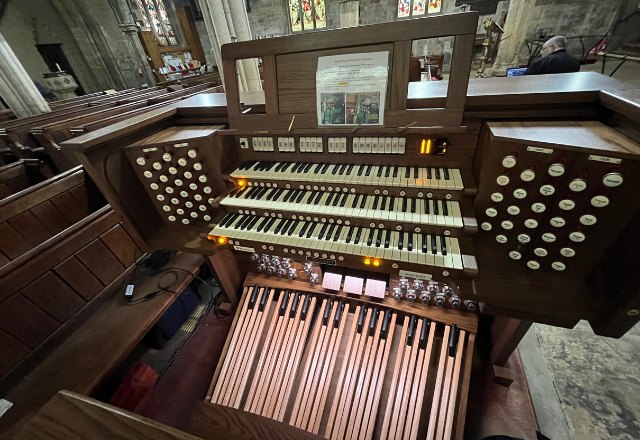
It was just a little less than a year ago when we were invited to St Mary’s Church in Horncastle to make a proposal for a new digital organ. The 3 manual rocker tab Makin organ had given many years of good service but in recent times become subject to technical issues that required service engineer visits.
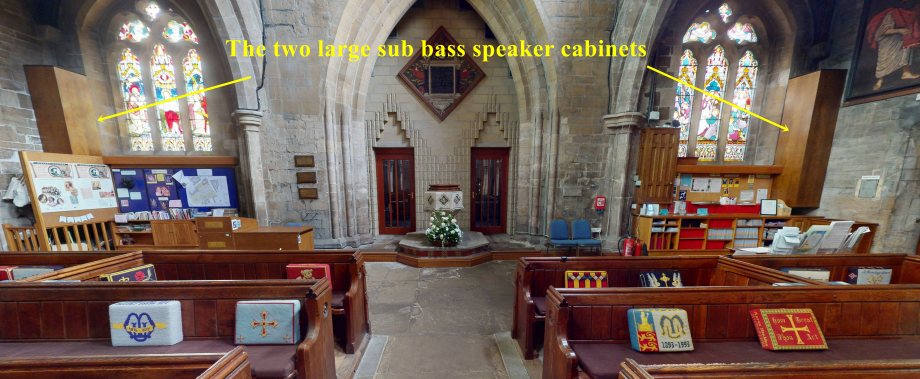
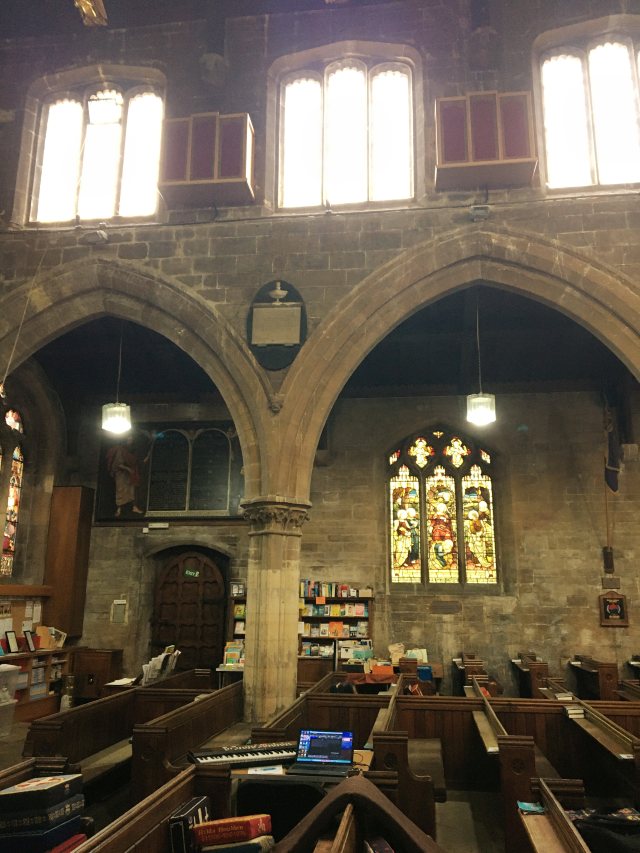
Although over 30 years old, it had a very respectable sound playing from 4 speaker locations in the nave with a facility to add 2 speaker cabinets in the chancel. There were also two huge bass cabinets (similar to organ pipes) on the west wall which we have only previously found when replacing old Copeman Hart installations.
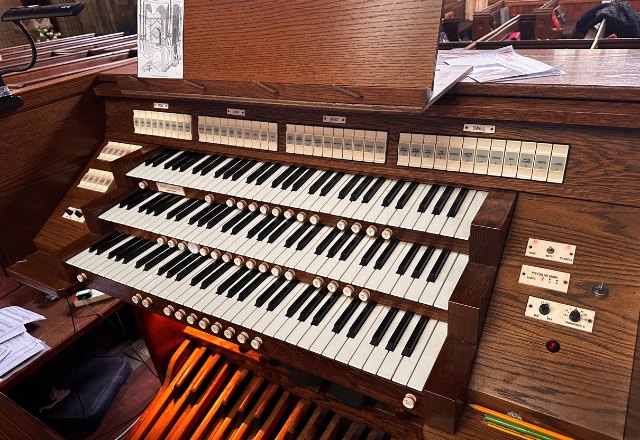
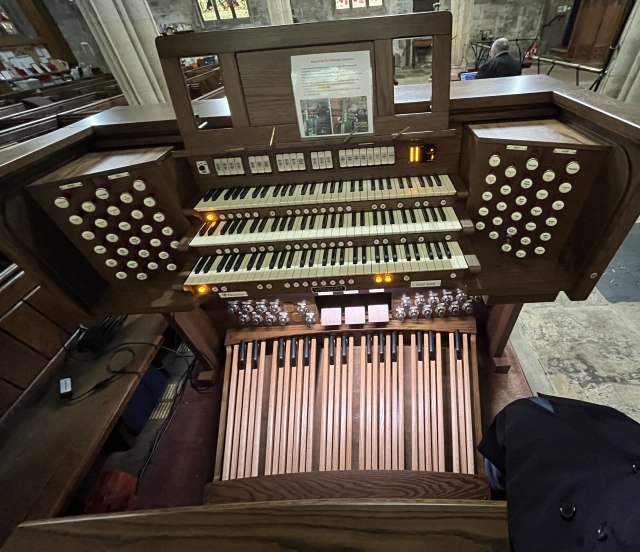
A plan to install a Viscount Regent 361 organ
As always our discussions covered new instrument options and available budget. Retaining the facility for chancel speakers was essential as was providing a pair of monitor speakers in the south east corner of the nave. This is where the choir often stood for performance and providing a low volume broadcast of the full organ close by was considered helpful.
Improving the appearance of the high wall mounted nave speakers was also on the agenda as well as moving to a moving drawstop console. Clearly the budget was not going to be small!
Within a few months the plan had been finalised for our Regent 361 instrument to play through 18 main audio channels and to reuse the two substantial sub bass structures with 15 inch drivers. 14 channels in the nave and 4 in the chancel where we would reduce the number of stops that played there, so that the pipework sensed to be present there did not seem out of the context of the smaller space. No 32 ft’s playing through that smaller speaker array or indeed some of the more powerful manual department reeds.
Debate over the speaker locations
Debate also hung on whether to repeat all 4 nave speaker locations on both north and south sides. Given the cost of the handsome new speaker cabinets my advice to use just the north side location was accepted despite some concern about moving away from the solution devised over 30 years ago.
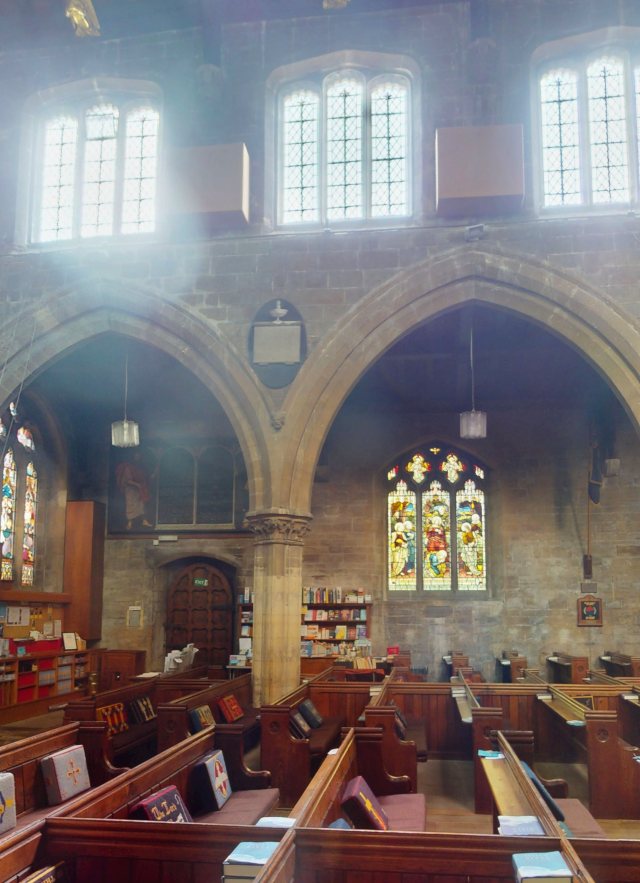
The main church door is on the north wall so removing the south side speakers would greatly improve the first sight on entering the church, no longer influenced by the rather bland cabinets from 30 years ago. Most nave side located pipe organs also only speak from a single side so I felt moving to this sound stage would have limited impact, especially as we were able to include far more individual cabinets than the Makin used. We could also direct the speakers up towards the nave roof and so partly diffuse the sound entering the space. Reflected sound rather than directly broadcast I feel always works better. I am pleased to say this revision has worked very well aqccoustically and resulted in a cost saving for the client.
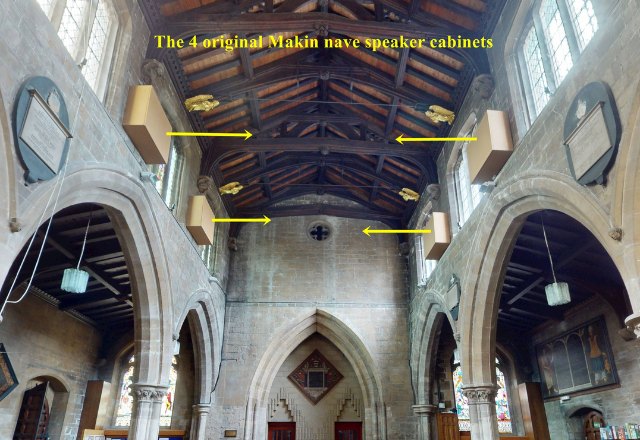
Plan for fixing the speaker cabinets had to change
This is the first time we have taken old Makin cabinets down. We were surprised to find that rather than speakers inside the cabinet a single very large speaker box was actually screwed to the church wall and the external cabinet was screwed to the speaker!
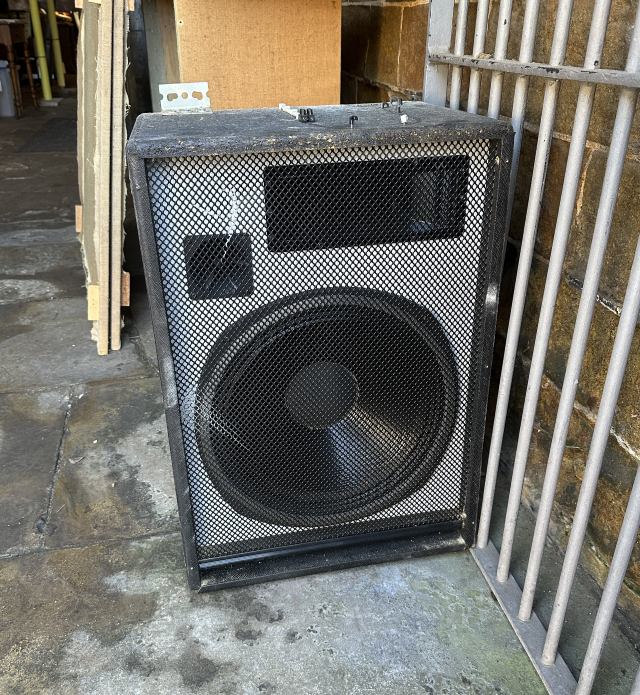
This meant our plan for fixing the new cabinets had to change slightly. We had to make a new timber structure to secure them and the 7 speakers inside each case. Rather than using the new cabinets to hide the original hollowed out cabinets we had planned to reuse.
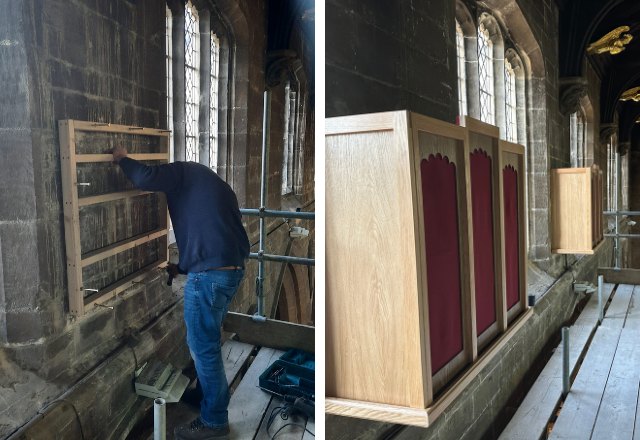
So the new solutions had 14 individual speakers inside the structures speaking in different directions from just the north side rather than 4 speakers facing each other on both north and south sides. Hardly surprising, to me at least, that the new set up was very satisfactory indeed.
Easter creates a deadline for the installation
The church moved at speed and a faculty to replace the old organ was obtained by the end of 2025. By then the Makin had developed a new fault that meant the hope of recovering some value from it was lost. The choir department was well out of tune with the rest of the instrument which we gather was an expensive fix so we were asked to remove it rather than find new home.
As ever Easter creates a deadline that if missed causes considerable disappointment. We got the final green light towards the end of 2025 so a job of this scale was then on a tight timeline.
The new instrument arrived from Italy at the beginning of March and we assembled our team to do the work just two weeks later.
Installing the organ speakers
The church had to organise scaffolding for safe working at height. Our two Halifax based sub contract workers had the job of removing the old cabinets and installing the new ones. A job that took two days.
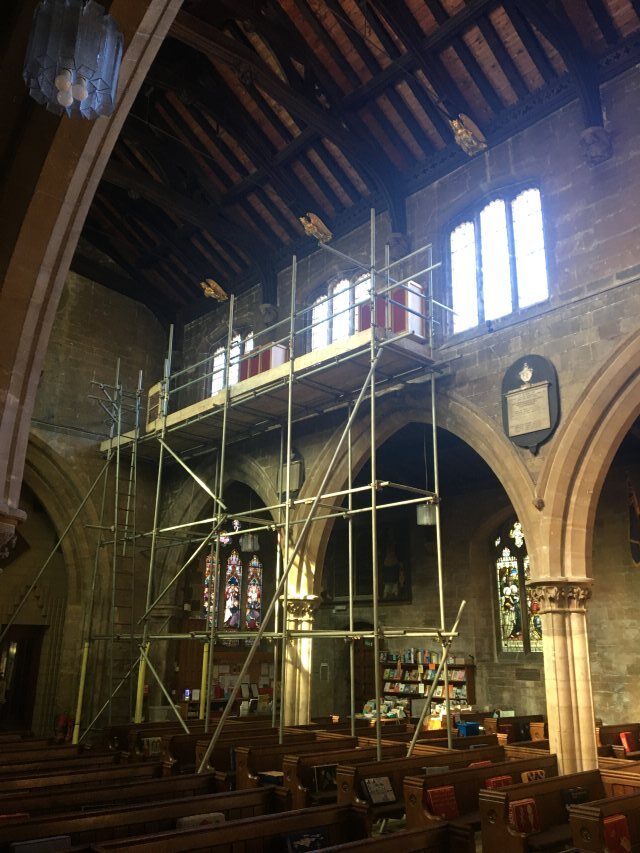
New wiring was carried out to the chancel speakers and the nave by our engineers. We discovered that one of the sub basses had been disconnected. Once we reconnected the reason was clear as it was vibrating very loudly at certain frequencies which fortunately we were able to fix by adding some more screws into the woodwork at key places. I have to say that these bass speakers do a marvellous job and offer a solution that we should give future consideration to.
Voicing of the organ
Just over 3 days into the project the instrument was playing through all the speaker resources and the job of the initial voicing could start.
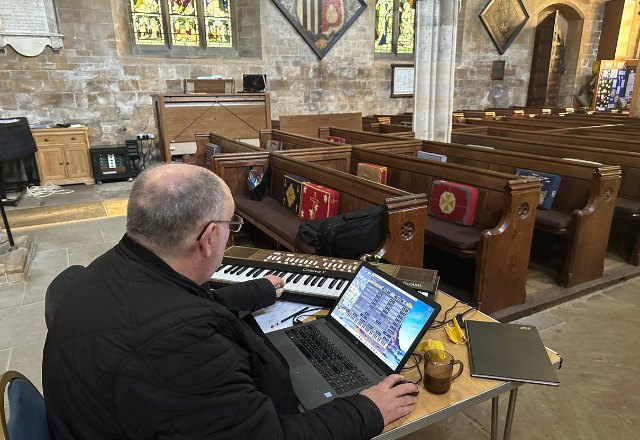
24 hours later we left a very happy client with a great instrument ready for the Holy week services. It had been a busy time and there was a long drive home. But we all made it safely back and will be looking forward to an even bigger job that I can tell you about later this year.

I have had a passion for church organs since the tender age of 12. I own and run Viscount Organs with a close attention to the detail that musicians appreciate; and a clear understanding of the benefits of digital technology and keeping to the traditional and emotional elements of organ playing.


